

 Pristupačnost
The Department of Sociology was established in 1992 and is one of the core disciplines of the Faculty of Croatian Studies. The concept of sociology studies focuses on the application of sociological theories and social science methodology for understanding social processes and phenomena in the specific context of Croatian society and comparatively in a European and global perspective. The study of sociology aims to train highly qualified sociological research personnel with professional research and analytical skills necessary for productive work in the public and private sectors. The sociology program at the bachelor's and master's levels is organized according to current international scientific standards.
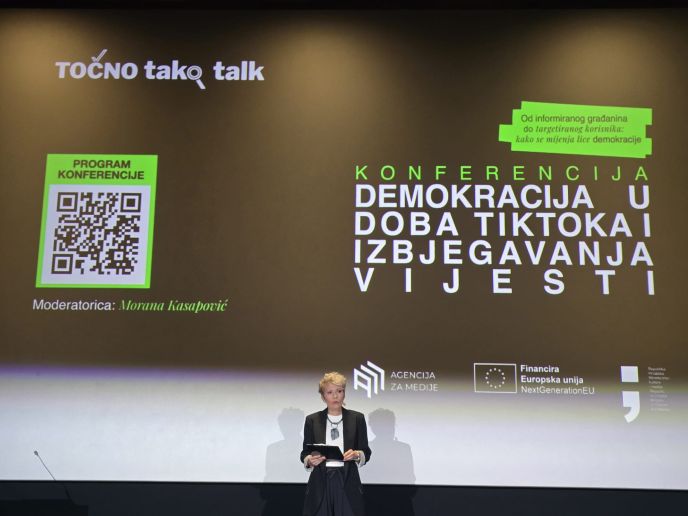
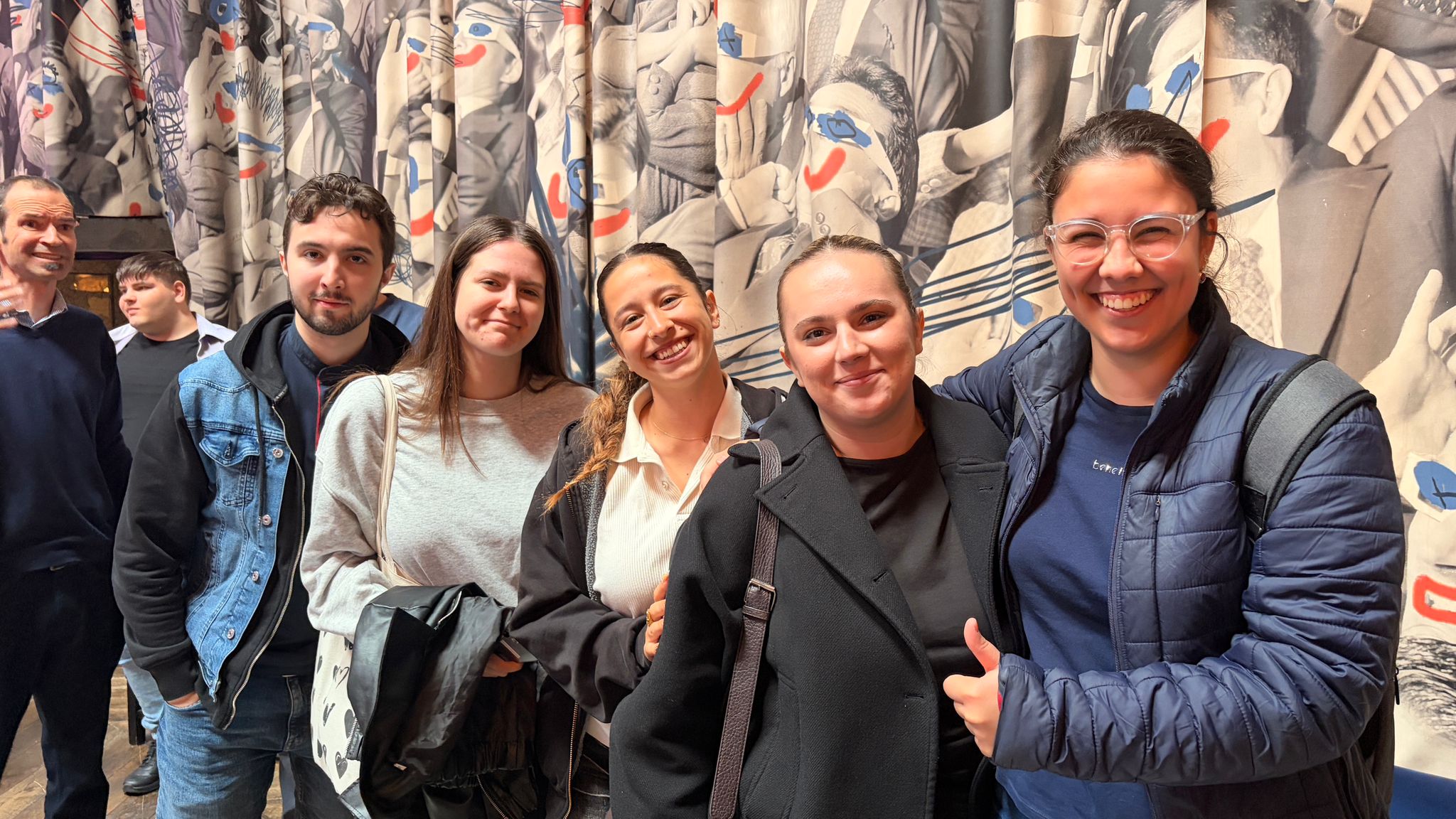
Students of the Faculty of Croatian Studies attended the conference “Democracy in the Age of TikTok and News Avoidance,” held on May 14 at Kaptol Boutique Cinema in Zagreb and organized by the Agency for Media. Their participation was part of the course Sociology of Croatian Society 4: Media System Analysis.
The central theme of the conference was the transformation of how audiences access information in a digital environment. An increasing number of citizens follow the news via social media, while at the same time, the trend of consciously avoiding news is on the rise. In such a media landscape, algorithms play a crucial role by shaping personalized information flows and influencing which content users see, thereby further fragmenting the public sphere and altering how citizens perceive social reality.
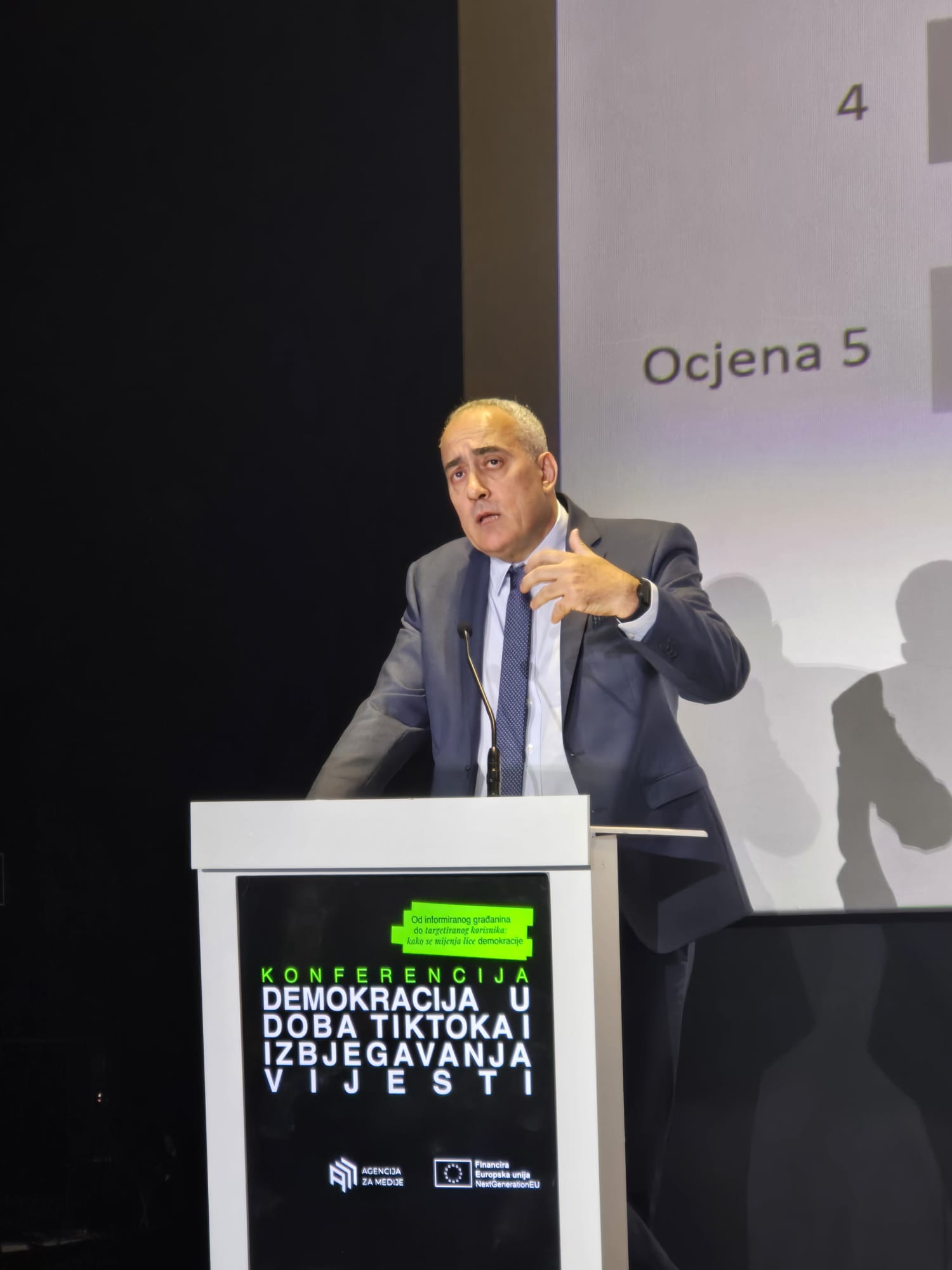 At the conference, the results of a study on media habits in Croatia were presented by Associate Professor Ivan Burić from the Department of Communication Studies at the Faculty of Croatian Studies. The research shows that as many as 52% of Croatian citizens occasionally or frequently avoid the news—31.2% do so occasionally, while 20.4% do so often or over longer periods. On the other hand, 43.8% of respondents report that they do not avoid the news, while a smaller proportion (4.5%) do not follow the news unintentionally.
Three interconnected factors were identified as the main reasons for news avoidance: negative emotional reactions to news content (particularly anxiety and fatigue caused by negative coverage), perceptions of unprofessionalism and low media quality, and broader civic disengagement and distance from public and political life.
The conference featured international experts analyzing contemporary media and political processes. Among them was Professor Paolo Gerbaudo from Complutense University of Madrid, who emphasized that algorithmic changes are leading to increasing fragmentation of the public and the creation of parallel information worlds.
Dr. Ruth Palmer from IE University in Madrid also delivered a presentation, warning about the “vicious cycle” of news avoidance, whereby citizens who do not recognize themselves in media content increasingly disengage from news consumption—potentially affecting democratic participation and deepening social inequalities in the long term.
The research findings were further elaborated by Professor Marijana Grbeša Zenzerović from the Faculty of Political Science, who compared them with other studies showing similar results. It is also worth noting that Associate Professor Ivan Burić had, just prior to the conference, participated in the award ceremony for the National Science Award at the Croatian Parliament, further confirming his scientific contribution to this field.
The study also revealed a relatively low level of trust in journalists—the average rating is 2.62 on a scale from 1 to 5, placing them in the lower half of the professions observed. At the same time, generational differences are evident: younger generations predominantly rely on digital platforms for information, but also show a greater tendency to avoid news.
The final part of the conference was dedicated to discussing possible responses to these challenges, including the role of regulatory bodies, the introduction of media literacy into the education system from an early age, and efforts to strengthen trust in the media in an increasingly fragmented information environment.
The conference was organized as part of the project “Establishing a System for Fact-Checking Information” within the framework of the National Recovery and Resilience Plan.